
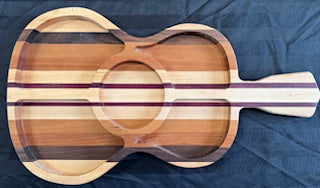
If you're anything like me, you love how beautiful your wood cutting board looks when it's brand new. You bring it home and proudly display it in your kitchen for everyone to see. Of course, you use it because you love it, and the next thing you know, the surface is dull, dry and nothing like the board you fell in love with.
The same goes for the wooden spoons in your drawers, your serving trays and every other wood piece you use and love in your kitchen.
Here's the good news: keeping them looking like new isn't hard. It takes a couple of minutes every couple of months, and as a bonus, your wood pieces will resist warping and cracking too.
What Not to Use on Wood Kitchen Items
Some cleaning products can damage wood. Keep these away from your cutting boards, spoons and serving trays:
- Bleach
- Rubbing alcohol
- Harsh household cleaners
- Abrasive scrubbing sponges
- Soaking in water (ever!)
Luckily, the right products are simple, affordable and will keep your wood looking amazing for years to come.
What You'll Need
- Mild dish soap
- A soft cloth or sponge
- Warm water
- A metal scraper (for stuck-on food)
- Food-safe mineral oil
- Board butter or wood conditioner
How to Clean and Care for a Wood Cutting Board
Step 1: Wash It Right Away
Clean your wood items as soon as possible after using them. Use mild dish soap, warm water and a soft cloth or sponge. If you have stuck-on bits of food, gently remove them with a metal scraper before washing.
Never soak wood in water. Wood is porous and absorbs water quickly, which can cause cracking and warping.
Step 2: Dry It Thoroughly
Wipe the surface dry with a soft cloth. Microfibre or cotton both work; you just want the water off the surface.
For cutting boards, stand the board up vertically (lean it against something if you don't have a stand) and let it air dry for a few hours. This releases any water the wood has absorbed.
Step 3: Oil It with Food-Safe Mineral Oil
Once it's completely dry, apply a generous amount of food-safe mineral oil over the surface with a paper towel or soft cloth. Let it soak in for a couple of hours, then wipe off any excess.
Oiling protects the wood, helps keep odours from soaking in, and maintains a hygienic, food-safe surface.
Step 4: Finish with Board Butter
If you want to take it one step further (and we absolutely recommend you do), apply a board butter or conditioner. It seals in moisture, fights food stains and maintains the beautiful finish your wood had when it was new.
Apply a liberal amount with a soft cloth and buff gently.
Yes, that's really all there is to it!
How to Fix Common Wood Cutting Board Problems
Even with proper care, life happens. Here's how to handle the most common issues.
How to Remove Odours from Wood
"Smell the spoon" was actually a punishment in my husband's childhood home. No, I'm not joking. Their wooden spoons weren't cleaned and cared for properly, and they smelled of old onions and who knows what else. Definitely not what you want in your kitchen!
Luckily, it's an easy fix. Skip harsh chemical deodorizers and try this instead:
- Mix lemon juice with salt or baking soda.
- Rub it into the smelly surface.
- Leave it for 20–30 minutes.
- Follow the cleaning routine above.
How to Remove Stains from a Cutting Board
Sometimes food stains soak into the wood no matter how well you've cared for it. Don't panic, all is not lost!
Use the same lemon and salt (or baking soda) method above, then clean as usual. If a stain remains, your board is still safe to use, and the stain will fade over time with regular use.
How to Fix Deep Scratches
Light knife scratches are normal and nothing to worry about, thanks to the self-healing nature of wood. But deeper scratches can affect your board's appearance and hygiene, so it's time to take action.
You'll need coarse and fine grit sandpaper, used on a sanding block or an orbital sander.
- Sand the surface with coarse grit until it looks smooth.
- Wipe away all the dust.
- Sand again with fine grit until the entire surface is smooth and even.
- Clean, oil and condition the board using the steps above.
Your board should look amazing once again.
Quick Wood Care Checklist
- After every use: Wash with mild soap and warm water, dry with a cloth, then air dry upright.
- Every couple of months: Oil with food-safe mineral oil and finish with board butter.
- As needed: Use lemon and salt for odours and stains; sand down deep scratches.
- Never: Soak wood or use bleach, rubbing alcohol or harsh cleaners.